
The UK FGM Summit: How to ensure FGM stays on the agenda
“Ending FGM is essential to our mission of halving violence against women and girls in a decade, and we will not hesitate to deploy the full power of the state to put a stop to it” – incumbent Minister at the time for Safeguarding and Violence Against Women and Girls, Jess Phillips
On 29th April, the Home Office, the Attorney General’s Office, and the Foreign, Commonwealth & Development Office held an FGM Summit on tackling Female Genital Mutilation (FGM). This was in response to commitments set out in the Government’s Freedom from violence and abuse: a cross-government strategy, released in December 2025.
FORWARD UK welcomes the government’s initiative to convene this Summit and to refocus efforts on protecting women and girls at risk. This is a welcomed step forward in renewed national attention on ending FGM in the UK. As the first dedicated FGM Summit since the UK’s momentous 2014 International FGM Summit (Girl Summit), this signals a recognition that sustained political leadership is pivotal for accelerating progress in ending FGM
Split into three parts, the FGM Summit gathered diverse stakeholders. Two of the sessions were closed. The experience exchange sessions provided Ministers the opportunity to hear from professionals, survivors and experts, particularly on the need for stronger collaboration across sectors and more consistent support for frontline services. The ministerial meeting offered policymakers an opportunity to reflect on national and international commitments and to consider how best to strengthen the UK’s response.
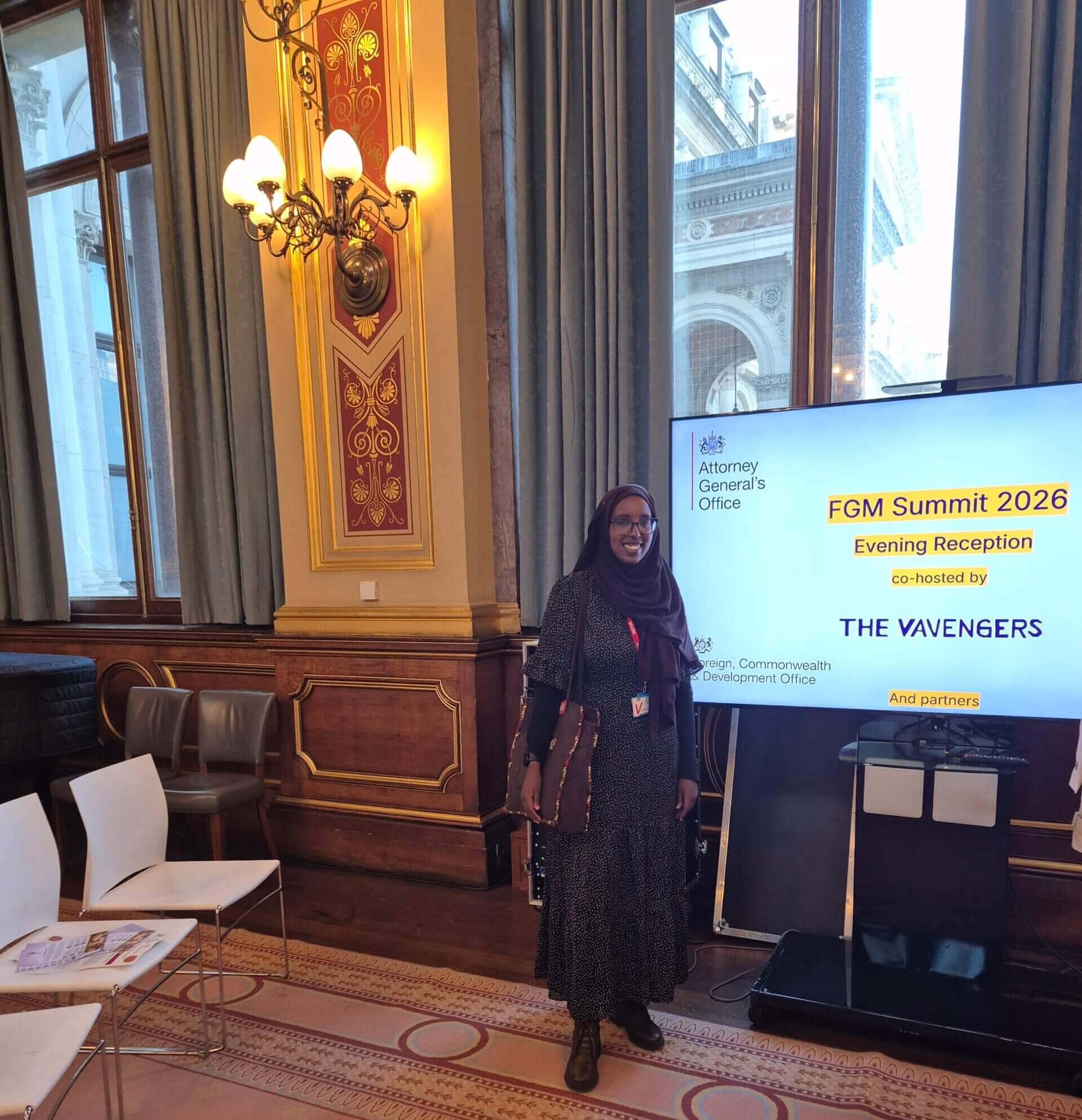
The evening reception, was the only open event. This was attended by FORWARD alongside partners from across the sector, and hosted by the Vavengers and African Women’s Rights Advocates (AWRA). An overview presentation outlined progress made in addressing FGM in the UK, while a panel discussion explored priorities for the future. The incumbent Minister for Safeguarding and Violence Against Women and Girls at the time, Jess Phillips MP, underscored the importance of treating FGM as a priority issue within the broader VAWG agenda. She also highlighted the need for improved data collection, particularly within health systems, to better understand the prevalence of FGM and inform effective interventions. FORWARD echoes these calls as the UK still lacks a robust national prevalence estimate, with understanding of FGM relying on fragmented administrative datasets across health, social care, policing and courts, which capture only partial snapshots of the issue.
Moreover, the announcement of a new Home Office-led FGM working group was a promising step toward strengthening coordination and accountability. The government also announced a new package of measures aimed at improving protections for women and girls at risk of FGM. This included commitments to strengthen safeguarding approaches and enhance coordination across agencies, signifying a renewed policy focus on this critical issue.
“The Summit was a missed opportunity to provide in-depth progress on the State of FGM in the UK. Failure to collaborate with wider UK stakeholders to shape this summit meant many critical voices were not heard. Seeing through policy commitments requires the involvement of key actors at all stages. Their expertise and lived experience must shape the agenda from the outset, if policies are to be effective, inclusive, and grounded in reality.” – Naana Otoo-Oyortey MBE, Executive Director, FORWARD
Across the Summit, a clear message emerged: more must be done to end FGM in the UK. Participants emphasised that ending FGM within a generation is achievable but only with sustained political will, adequate investment, and meaningful engagement with affected communities. The need for increased funding for prevention, protection, and survivor support was emphasised.
Looking ahead, FORWARD UK anticipates the question: what next? The establishment of a new FGM working group provides an exciting opportunity for driving forward action. However, the FGM Unit set up after the 2014 Summit under the Home Office was dissolved before the 2026 FGM Summit. What is critical is to ensure transparency, accountability, and sustained momentum. FGM must not be allowed to fall off the policy agenda.
At FORWARD UK, we believe that improving data and evidence on FGM is central to this effort. Without robust, reliable data, it is difficult to design targeted interventions or measure progress. Our ongoing work, including our preliminary brief for Zero Tolerance to FGM, notes the urgent need to strengthen data systems and ensure that evidence informs policy and practice. FORWARD’s FGM survey has been extended to ensure we continue to capture voices and views on FGM nationally.
The FGM Summit required critical commitment backed with data to help UK move forward. However, in order to utilise this opportunity, there is need to ensure renewed, collective action and ensure pledges are translated into action and financial commitments. By building on its momentum, learning from experience, and centring the voices of affected communities, the UK can move closer to ending FGM for good.

